
Jetconnect Pilot
Interview Prep Guide
You're not just applying to Qantas — you're applying to a specific group airline, and the interview is different. Here's what to expect, the real questions they ask, and how to prepare — from a current airline pilot who's been through the Qantas Group process.
The Jetconnect Interview Process
Jetconnect is a Qantas Group airline operating B737s on trans-Tasman routes from Auckland. It holds its own AOC but flies under Qantas livery. The interview process follows the Qantas Group framework — but the specifics matter. Here's what to expect at each stage.
Online Application & CV Screening
Applications are submitted through the Qantas Group careers portal. Your licence, total hours, type ratings, medical validity, and ICAO English level are checked against minimum requirements. Jetconnect typically requires B737 type-rated pilots with current multi-crew jet experience. Your CV must match your logbook exactly — discrepancies are flagged immediately.
Psychometric & Aptitude Assessment
The Qantas Group typically includes psychometric testing as part of the selection process — covering numerical reasoning, verbal reasoning, and personality profiling. The exact format for Jetconnect specifically is to be confirmed. Prepare for cognitive assessments that test problem-solving under time pressure.
Panel Interview
The core of the process. A panel interview with Qantas Group representatives — typically a mix of line pilots and HR. The interview follows a clear sequence:
First: 5–6 behavioural questions. These cover the 5 question areas below. Use STAR format throughout. This is where most candidates are eliminated — not because the questions are hard, but because their answers lack structure and self-awareness.
Then: 3–4 IFR / ATPL-level technical questions. These test your raw knowledge of instrument flying and aviation law. Expect questions like holding pattern speeds, maximum speeds in the hold, what to say after a TCAS RA, and NZ IFR law. Know your numbers — vague answers here are a red flag.
You only proceed to the sim assessment if you pass the behavioural questions. The technical questions may come after you've cleared that bar, but don't treat them as an afterthought — weak tech answers can still cost you.
Simulator Assessment
Only offered to candidates who pass the behavioural questions. The sim ride tests your basic instrument flying and hand-flying ability — no autopilot, no flight directors. Here's what to expect:
- Medium steep turns — maintaining altitude and bank angle
- Intercepting radials — tracking inbound and outbound
- Raw data ILS — flying the approach without flight directors
- Missed approach — climbing turn, clean up, reposition
- Raw data ILS to land — the full approach, all hand-flown
Brief everything. Communicate throughout. The scoring is heavily weighted toward CRM and communication — not raw flying ability. Silence is the fastest way to fail.
Medical, References & Final Sign-Off
Class 1 medical verification, reference checks, licence and logbook verification, and background checks. Every page of your logbook may be checked. Ensure your application hours, CV, and logbook all match exactly. Given Jetconnect's Auckland base, CAA NZ medical and licence requirements apply.
At the end of the day, all information is sent to Sydney for final confirmation before an offer is given. The Auckland panel makes their recommendation, but the final decision comes from Qantas Group head office. This means there may be a short wait between your interview day and an offer.
The 5 Question Areas to Prepare
These are the core question areas used across Qantas Group airline interviews including Jetconnect. You won't get the exact wording in advance — what matters is having a strong, specific example prepared for each area. Use STAR format throughout.
Questions around safety
Expect questions about times you've had to maintain or uphold safety, or made a decision with safety at the forefront. This isn't about reporting a problem — it's about proactively making something safer. Did you suggest a briefing change? Identify a hazard on a route? Improve a checklist or SOP at your previous operation? The assessors want to see that safety isn't just something you comply with, but something you actively contribute to.
Challenges Qantas or the aviation industry faces
This is a knowledge and awareness question, not a behavioural one. They want to see you understand the industry beyond your own cockpit. Current candidates have discussed the global pilot shortage, sustainability and emissions reduction, airspace congestion, supply chain pressures, and the integration of new technology, as well as Project Sunrise.
The critical part is the second half — what is the industry doing about it? Mention SAF (sustainable aviation fuel), Qantas's emissions reduction targets, fleet modernisation, or training pipeline investment. For Jetconnect specifically, think about what sustainability means for a Trans-Tasman 737 operation — fuel efficiency, single-engine taxi, continuous descent approaches.
Sustainability or enhancing your airline's financial position
This question catches candidates off guard because it bridges two areas — sustainability and commercial awareness — that pilots don't always think about. The assessors want pilots who understand that an airline is a business. Your example doesn't need to be aviation-specific. Maybe you identified a fuel-saving technique, suggested a more efficient routing, reduced waste in operations, or proposed a cost-saving measure at a previous employer. The point is showing you think beyond flying the aircraft.
Problem solving questions
Classic problem-solving competency. The key word is "specific" — don't generalise. Use STAR format and pick an operational example where the problem had real consequences. Describe the problem clearly, what information you gathered, the options you considered, the decision you made, and the outcome.
Leadership questions
Leading a team, taking the initiative, coaching another team member to success. Initiative is about seeing something that needs doing and doing it without being told. This could be operational — stepping up during an abnormal situation, taking charge of a passenger issue, or identifying and fixing a problem before it escalated. It could also be from outside the cockpit — leading a project, mentoring a junior pilot, or improving a process. The assessors want pilots who don't sit back and wait for instructions.
Strategies That Get You Hired
Based on Sean's experience going through the Qantas Group interview process, here are the patterns that separate successful Jetconnect candidates from those who are eliminated.
Know Jetconnect Specifically
Jetconnect is not Qantas mainline. It's a separate AOC operating B737s on trans-Tasman routes from Auckland. Know the fleet, the routes, the base, and how it fits into the Qantas Group structure. If you treat the interview like a generic Qantas interview, they'll notice.
Structure Every Answer
Most pilots lose marks not because they lack experience, but because their answers ramble. Use STAR — Situation, Task, Action, Result. Spend 80% of your time on Action and Result, not on setting up the story. The reflection on what you learned is what they score you on.
Know Your Tech Numbers
After the behavioural questions, you'll face 3–4 IFR / ATPL-level technical questions. These aren't softballs — they'll ask for specific numbers. Holding pattern speeds, max speeds in the hold, what to say after a TCAS RA, NZ IFR law. Know your numbers cold. Vague answers to tech questions are a red flag.
Match Your Logbook Exactly
Every page of your logbook may be checked. Any discrepancy between your online application hours and your physical logbook will be flagged. Ensure your numbers match everywhere: application, CV, and logbook. Bring originals of licence, logbook, medical, and passport.
Have Genuine Safety Stories
One of the core question areas is safety — and it's about proactively improving safety, not just reporting issues. If you can't think of a time you made something safer, that's a red flag for the panel. Think about your last 6 months of flying. What did you improve? What hazard did you identify before it became a problem?
Show Commercial Awareness
Airlines are businesses. The question about improving sustainability or financial position isn't a trick — they want pilots who understand that fuel burns money, delays cost revenue, and efficiency matters. Think about how your day-to-day decisions affect the operation's bottom line.
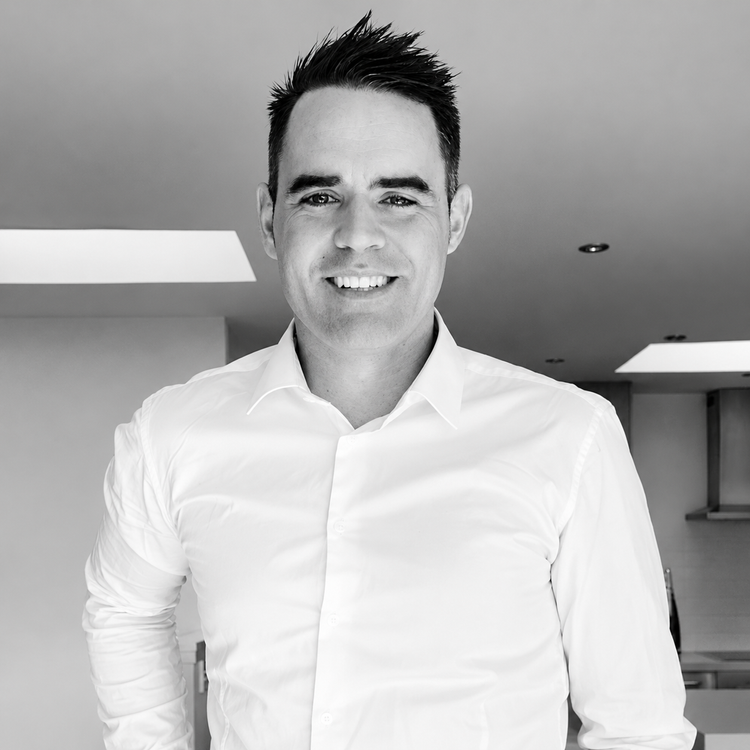
Meet Sean — B787 Pilot
I'm a current B787 pilot based in Auckland — Jetconnect's home turf. I've sat 8 airline interviews as a candidate — all successful, with 2 of those being command upgrades. They include selections at Air New Zealand (Jet), Qantas Group, Virgin Australia, Jetstar, and National Jet Express.
I've also been on the other side of the interview table — as an assessor for professional roles outside aviation. I know what interviewers look for, what makes them lean forward, and what makes them write someone off. That experience, combined with my own successful airline interview record, is the perspective I bring to your preparation.
This guide is built on real experience — not generic advice. Every strategy, every question breakdown, and every tip comes from someone who's been through the process multiple times and knows what it takes to succeed.
Get the Full Jetconnect Interview Prep Guide
Enter your email and we'll send you the full Jetconnect preparation checklist, a question framework for structuring your answers, and tips for each stage of the Qantas Group selection process.
Free. No spam. Unsubscribe anytime.
Ready to Practise Under Real Interview Conditions?
Reading about the process is one thing. Simulating it — with a current airline pilot giving you detailed feedback — is what gets you ready. Our Coaching Assessment mirrors the real Qantas Group panel interview format and gives you a personalised coaching report.
Book a Coaching AssessmentExplore the Success Series